



Resolve
A collaborative online community that brings together photographers and creative professionals of every kind to find ways to keep photography relevant, respected, and profitable.
Have an idea for a post?
Want us to find an answer to your question? Interested in becoming a contributor?Email us
CATEGORIES
- Aerial Photography
- Business
- Featured Blogger
- Featured Website
- Fine Art Photography
- Ideas
- Industry Events
- Inspirational Work
- Meet the Team
- Networking
- New Features to LB8
- On The Calendar
- Philanthropy
- Photography
- Adventure Photography
- Advertising Photography
- Animal Photography
- Art Photography
- Beauty Photography
- Celebrity Photography
- Commercial Photography
- Documentary Photography
- Editorial Photography
- Fashion Photography
- Food Photography
- Hospitality Photography
- Interior and Architecture Photography
- Landscape Photography
- Lifestyle Photography
- Nature Photography
- Photojournalism
- Portrait Photography
- Science Photography
- Space Photography
- Sports Photography
- Still Life Photography
- Travel Photography
- Wedding Photography
- Wildlife Photography
- Wine Photography
- Playlist
- Playlists
- Social Media
- Tuesday's Tip
- Video
- Webinar
- Website Tips
Marketing

Now that you’ve launched your beautiful new liveBooks website, it’s time to start thinking about how to get more website visitors that you can convert into customers. The right approach to increasing online traffic can push your site higher in search rankings and put your business ahead of the competition. As you build your web presence, you’ll notice that there are many ways to advertise your business online. Read on to learn the basics of these online marketing methods and find out what kind of online marketing is right for your unique business.
Search Engine Optimization
Search engine optimization (SEO) is the practice of improving your website to make it more visible in organic search results. Search engines focus on relevancy and quality, and a successful SEO marketing plan starts with keyword research to see what terms your target audience is using find your business, services, or products online. Once you have a list of keywords, you then incorporate them by using them in the following areas.
- Meta titles and descriptions: These are the short descriptions that Google shows on search results pages. Having keyword-focused, relevant meta titles and descriptions can increase the probability of search engine users navigating to your website from the list of search results.
- Image ALT tags: Google looks at image alt tags when crawling websites, so having keyword-rich, descriptive alt tags can help search engines better understand what your business is all about. Descriptive alt tags can also help visually impaired web users better understand your visual content.
- Page content: Last but certainly not least, incorporating your keywords into your content is a good way to encourage search engines to rank you for your most relevant search terms. Creating content based on your keywords can help give online searchers information they are looking for, and fresh, relevant content is something Google looks at in their ranking algorithm.
Links
Links to your website can also increase your SEO value. Google looks at links as a sign of credibility, so making sure you have quality links from trusted online directories and websites within your industry should be a focus in your SEO plan. Social links and shares can also help increase your online viewership, so figuring out a social media posting schedule is beneficial when promoting your business online.
Layout
Your layout also plays a role in SEO. Make sure you have a mobile-friendly design with simple navigation and an intuitive URL structure. Give your online visitors a user-friendly experience by setting up your website so that users can quickly find whatever information they’re looking for.
Leave it to the professionals
Investing in SEO is an important part of online marketing. Make sure you find an SEO practitioner that’s up to date on the constantly changing industry landscape and avoid unqualified SEO companies that may end up harming your online visibility rather than helping it. Beware of companies that use “blackhat” SEO techniques that may harm your website.
The Power of Local Listings
Visibility in local search results attracts nearby traffic, including mobile consumers. In addition to making location-based keywords a core part of your SEO efforts, it’s critical to make sure your business contact information is displayed prominently across the web. Make sure your NAP (name, address, and phone number) information is added to profiles on local listing sites like Google My Business, Facebook and Yelp. Having correct and consistent business information across the web is important for both search engines and actual users. Don’t lose a customer because of an incorrect phone number or address!
Search Engine Marketing
Like SEO, search engine marketing (SEM) can greatly increase your site’s visibility in search results. However, using SEM means paying for the privilege of being seen. Also called Pay-per-click (PPC), this type of advertising is available from major search engines like Google and Bing. PPC gives you a chance to display specific advertising messages in prominent paid-only search result areas above and below organic search listings.
Targeting is key when setting up a successful PPC campaign. You’ll want to make sure you’re spending your PPC budget on the right types of online searchers, so doing research before setting up your campaign, and constantly tweaking and testing your campaign setup will allow for the best possible results.
It’s important to do the following when setting up your campaign:
- Write keyword-rich titles and ad copy
- Setup geotargeting that makes sense for your business
- Bid on a combination of high- and low-competition keywords
- Create specialized landing pages for each PPC offer
While tools such as AdWords express make it easy to quickly start a SEM campaign, you may want to consider hiring an online marketer to lead your SEM strategy.

We’ve discussed the importance of branding for your business and finding your unique voice. One incredibly important aspect of that branding is designing a fantastic logo that potential clients will begin to recognize and associate with your business. Here are some of the most important things to think about when designing your logo.
Style
As a photographer, your images are always going to be the most important aspect of your business, however, your logo is an important indicator of your style and can have an impact on a potential client’s decision to work with you. Make sure that your logo matches your overall style and is consistent with the way you want your audience to view your business. For instance, different font treatments, colors, and designs can automatically evoke a certain emotional response from a viewer. Commercial and editorial photographers typically have a simpler logo with a specific font and maybe one or two design elements thrown in that speaks to their professionalism. A wedding photographer, for example, might have a more elaborate logo design and graphics that speak to the emotional nature of their clients. Whatever your niche, it is important to remember that a logo is a graphical representation of the style of your work.
Bonus: just in case you are designing your logo yourself, FontSpace, Fonts, and dafont all offer free or low license rate fonts to help you spruce up your logo design.
Color, Size, and Placement
Much like deciding whether your images will have a greater impact in color or black and white, the decision to use color in your logo design should be approached in the same manner. If your logo design has a lot of graphics in the background, using color will make those graphics more prominent; if your logo is a simpler design that features either just your name or the name of your business, a black and white color scale may make more sense.
In the same vein, deciding on the size of your logo will also be important. Keep in mind that no matter how stellar, cool, and unique your logo turns out to be, a potential client’s focus when looking at your website or marketing materials should be on your images. Your logo should not only serve as a supplement and a reinforcement of your photography and therefore should not overwhelm or take over the entire page or website.
Lastly, deciding on the placement of your logo within your website will also be integral. Does it have more impact being used as the background for your splash page when a user first lands on your site? Or do you simply want it placed in a small portion of the corner of your website? Whatever you ultimately decide, your editSuite and our Support Team allows you the ability to customize the placement of your logo to fit your needs.
What Does Your Logo Mean?
Much like every image you capture, every logo should tell a story – even if it’s just to you. It’s important that you are able to articulate why you chose the logo design that you did, what it means to you, and what message you want it to send to your clients. A good exercise to try is writing down three words or ideas to describe your business or style. Once you have a few logo designs that you are deciding between, ask some friends and family (who will give you an honest, objective opinion) to look at the designs and write down the words that come to mind when they view each logo. If you find that some of the words they use match-up with the descriptions you’ve written about your business, you’ll know which logo is on the right track.
Be Consistent
While many businesses (especially ones that have been around for many years) go through re-branding, it is important that you are not changing your logo all the time. In order for potential clients to really associate your logo with your brand, it needs to remain consistent and have time to become recognizable.
Ultimately, whether you design your own logo yourself or hire a graphic designer, having a logo for your business is an incredibly important aspect of establishing your brand and professionalism. What other tips do you have for designing a logo?
Many professional photographers start out taking photos as a hobby or a creative outlet. At some point, you realize that your talent is too good to be limited to a few nights and weekends here and there, and take the leap to become a full-time professional photographer. Starting your own business can be challenging. Once something goes from a hobby to livelihood it’s easy to get lost among all the things that need to get done. Building your photography brand and voice is an extremely important piece of creating a successful business. Here are some tips to help you build your photography brand while still enjoying what made you take that leap in the first place: capturing amazing images.
Take photos because it makes you happy
One of the best ways to find your voice and build your brand is to always remember to take photos because it makes you happy – not because you need to sell them. This may seem intuitive, but many times photographers will spend so much energy researching the perfect equipment and collecting different lenses that they forget to step back and enjoy taking pictures. Having fun, trying new things and exploring will naturally bring out the creativity in you and lead to some of your best work. Plus, taking beautiful photographs comes from the heart – trying to “force” a perfect image for the sole purpose of selling it will probably result in a lot of frustration. Bottom line: if you do it because you love it and it makes you happy, people will feel more of a personal connection to the pictures you capture, in turn helping you to build a consistent voice and brand.

Study your previous work
Chances are that if you’ve been photographing for a while (professionally, or otherwise) you have thousands of photos to look through. If you are just starting out with your business, devote some time to studying all of your previous work. Try to find common themes in your images – do you tend to like a certain time of day best? Do you prefer shooting people or landscapes? Do you prefer candid shots, or giving your subjects more direction to stage the perfect image? Once you’ve determined some common themes, this will give you a better idea of how to brand yourself and describe the type of work you do to others.
Build your portfolio to reflect your brand and voice
Studying your previous work is also the best way to start building your professional portfolio. Once you’ve landed on common themes in your work, figure out which photos you’ve taken that have garnered the most responses out of people in the past. Utilize social media. It is probably pretty likely that you have posted your previous work to some social media outlet at some point or another. It would be very simple yet extremely beneficial for you to go back and look at the comments people made on the photos that you shared. Which ones resonated the most with your audience? Which ones got the most attention, likes, shares, or engagement? This will help you determine your best work and what should ultimately make the final cut for your professional portfolio.
Write a stellar ‘About’ page that shows off your brand and voice
While most of your brand and voice is going to be conveyed through your images, being able to show off your personality through your website’s ‘About’ section is also very important. The ‘About’ page is most likely the first time a potential client is really “meeting” you – and it will set the tone for all your written communication with your clients. The page should tell your story, but also help create a connection between you and your current or potential clients. Whether you decide to use that space to talk about the inspiration for your work, your camera gear, or your personal journey as a photographer or creative – what you decide to say and how you say it will tell a potential client a lot about the way you do business.

Don’t kill your creativity
So much of your voice and brand as a photographer comes from your creativity and is what makes you unique and sets you apart. Sometimes, when photographers start to take photos for a living, they become perfectionists – always critiquing and criticizing their work. Constructive criticism is definitely a good way to learn and grow, but too much of it can cause you to shut yourself down as a photographer. Some of the best and most famous photos have some technically “imperfect” aspects, and yet those are part of what has made them so fantastic. Don’t lose sight of your voice in an attempt to create an image that everyone else will love – focus on why you love it.

What other tips have you employed over the years to help build a successful photography brand? We’d love to know!
You spend hours upon hours getting the perfect photo. You love everything about it and can’t wait to showcase it everywhere possible – your website, blog, Facebook, Instagram, or Pinterest. Then your worst nightmare as a photographer happens – a few months later you notice your photo is being shared around, but with absolutely no credit to you as the photographer. In the digital age we’re living in, this scenario happens all too often. How do you protect yourself against this type of situation? Watermarking images is a constant debate in the creative community. In this post, we will explore the pros and cons of watermarking. We will also lay out a few other easy options to protect your work.
Pros of Using Watermarks
Watermarking is popular with many photographers. Placing a watermark on your images can serve a few purposes:
- Additional Protection – Placing a watermark on your images makes it more difficult for others to steal your photos. Copyright violators may not always want to bother removing a watermark from a picture, as there are plenty of non-watermarked images available online. In addition, even if a watermark is removed or cropped from your photos, having an original “watermarked” image saved could be used as an argument in a case of stolen property.
- Free Marketing – Photos get shared on the internet (and social media) at an alarming rate. Having your logo, name, or website URL in a subtle place on the photo can act as free advertising for you. This is especially effective for wedding and portrait photographers; people will always share their wedding or family photos on their personal social media pages, which in turn goes out to all of their friends, and their friends’ friends. Having that watermark not only gives you credit but drives potential customers to your work.

Cons of Using Watermarks:
- Distraction – If a watermark is not subtle enough, it can distract the viewer from the main subject of your photo and can sometimes look amateurish, cheap, or arrogant.
- Doesn’t Always Protect Your Images – While watermarking does add an extra step for would-be thieves, it does not completely protect your photos. Many watermarks are easily cropped out and there are several apps that can find and delete watermarks in images. Even someone with very little Photoshop experience can easily remove most watermarks from images and pass them off as their own.
- Less Sharing – Watermarks are a great way to get some additional advertising for free; however, people are less likely to share heavily watermarked images on their social media accounts. Furthermore, the people who are most likely to steal your photos probably never had the intention of paying for them in the first place, watermark or not.
- Creates Difficulty When Changing Branding – When your business grows, many changes can take place. You may change your business name, logo, or website URL. If you want to maintain consistency, you would have to update all of your old watermarks on your images.

Watermarking the Right Way:
In an effort to combine the best of both worlds, here are some quick tips for watermarking your images in a way that allows you to enjoy all of the pros and experience few of the cons.
- Subtlety Is Key – Place your watermark in the bottom right-hand corner with a low opacity. While image thieves may still be able to easily crop it out, they would likely try to remove the watermark regardless of placement.
- Class It Up – Another option is to place a strip at the bottom of your image that brands your name with a nice font but isn’t disrupting the actual photo itself.
- Don’t Overload – Having your name, website URL, logo, copyright symbol, etc is overload for a watermark. Choose one of these items (your URL is a great way to drive people to where you actually sell your photos!) and use only that on the image.
- Hide Your Logo – If you want to get really fancy, you can incorporate your logo into the photo somewhere where only you can find it. This will probably only work if the images you create are very unique, less so for everyday photos.
Other Alternatives:
Let’s take a look at some easy alternatives to watermarking your images that will still provide you with some protection from theft.
- Don’t Upload a Full-Resolution Photo Online – For social media sites where sharing is rampant, this is extremely important and in the event that your work is stolen, will be an easy way to prove the original work was yours. If you sell your photos or prints on your website, you can always upload higher-resolution files there.
- Utilize Your Camera – Most DSLR cameras will allow you to add some metadata directly into your photography via a menu on your camera settings. This can help make sure that every shot you take has your name, copyright, and URL injected straight into the digital thread of your image.
- Description + Google Alerts – Most digital thieves will not bother to rename your photos, so using a description that is personal to you and setting up a Google Alert for that exact description can help let you know immediately if someone has tried to publish your work online.
Lastly, make sure you are educated on the tools out there to help you keep track of your images. TinEye is a service that allows you to submit an image to find out where it came from, how it is being used, and if modified versions of the image exist. Google Image Search is also an easy and free way to track your images – you can enter the URL or upload your image to see where it’s been or see any images that look similar to it. Whether you choose to watermark your images or not, it is always best to make sure you register your photos with the US Copyright Office.
Sources:
Why You Shouldn’t Watermark Your Photos
The Pros and Cons of Watermarks
To Watermark, or Not to Watermark?
How to Protect Your Photography Online
Watermarking Your Images: Pros & Cons
Why This Photographer Thinks You Should Watermark Your Photographs
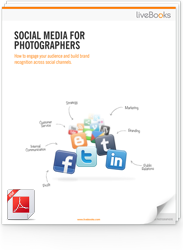
FREE EBOOK
Learn how to engage your audience and
build brand recognition across social
channels. Learn more...
READY TO GET STARTED?
Pick your package. Pick your design.
No credit card required.